It Might Land You on a Therapist's Couch: Why Everyone Lowkey Hates Secret Santa?


The Gist of the Game
Secret Santa is that classic holiday tradition that’s basically a lottery for your social anxiety. You need at least three people to play, but the "chaos energy" really peaks in large office settings. The rules are standard: everyone draws a name and becomes that person’s anonymous benefactor. You buy a gift, wrap it, and drop it off on the designated day without blowing your cover.
In tight-knit friend groups, it’s usually old school—names in a hat, awkward silences, and everyone trying to keep a poker face. But since we’re living in the hybrid work era, most teams now use platforms like Elfster to handle the logistics. These apps let you set "exclusion rules" (so you don't draw your ex or your micromanager), fill out wishlists, and even list your "deal-breakers"—the stuff you’d honestly rather not have cluttering your apartment.

Why Secret Santa Is a Total Mood Killer
On paper, the game is wholesome. The mechanics work, the rules are simple, and the intent is pure. But things go south the moment you add the "human factor" and corporate culture into the mix. In the age of Zoom fatigue, the office vibe is often non-existent. You might have worked with someone for two years and still only know them as a 2D avatar. The days when everyone knew your coffee order or your citrus allergy are long gone. You’re lucky if the office manager or an executive assistant can give you a "vibe check" on who you’re actually supposed to be buying for.
You May Also Like


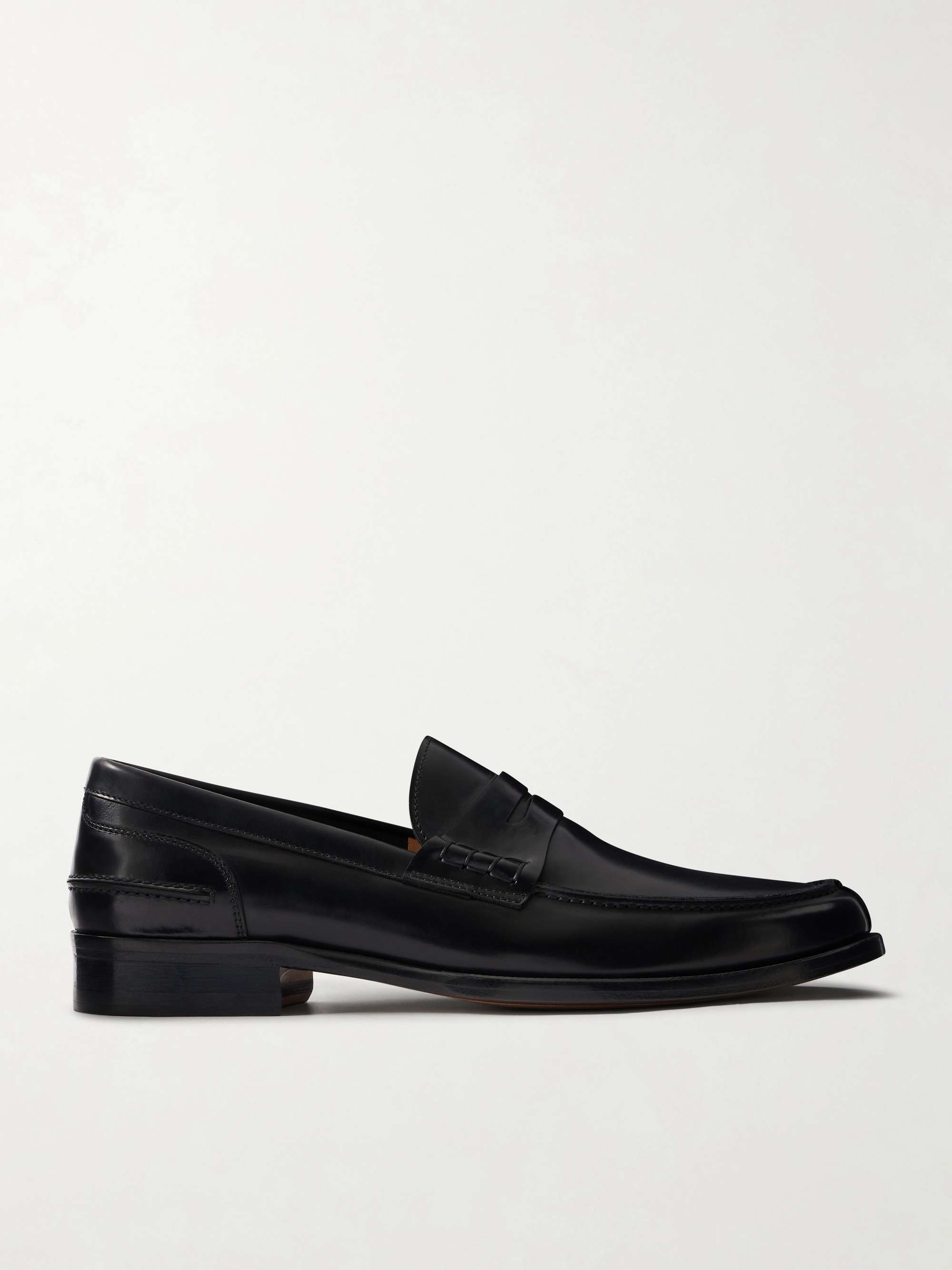
Even with help, the "joy" of picking a gift for a complete stranger is... minimal. This is why most Secret Santa hauls aren't curated gems from a GQ gift guide, but rather "closet finds." We’re talking about those "regifted" items—the candles, the generic mugs, and the weird gadgets that were too embarrassing to give to a real friend but seem "fine enough" for a coworker.
Then there’s the financial strain. December is already peak spending season: family gifts, travel, holiday parties, and those $15 peppermint mochas. Most budgets are "down bad" by the first week of the month. It’s no surprise that December is officially the most stressful time of the year. Dr. Guilherme Trevisan notes that psychiatric consultations often spike during the holidays.


"The end of the year brings a massive surge in social pressure. Between corporate mixers and the obligation of gift exchanges, people report higher levels of anxiety, irritability, and sleep deprivation," explains Trevisan.

Psychologist Alexandra Miller agrees that the game is a major stress trigger. The irritation starts with the "forced fun" aspect: you’re obligated to buy a personal gift for someone you only talk to about spreadsheets. Then comes the performance anxiety: Will the gift look cheap? Is it "cringe"? Is it HR-appropriate?
"A workplace isn't a friend group. The game creates an artificial obligation to be intimate with people you barely know. For introverts or those who value professional boundaries, this feels like a total invasion of personal space," Miller explains.
She adds that in every office, there’s a divide between those who put in effort and those who do the bare minimum. A low-effort, "trash" gift sends a subconscious message: "I didn't think about you for even five seconds." That hits the self-esteem, creates resentment, and can ruin the office dynamic well into Q1. And if you get a "joke gift" that accidentally touches on a sensitive topic? That’s a straight-up social catastrophe.
Plus, let’s talk about the "loneliness factor." Seeing how little a colleague knows about you can be a harsh reality check. Not to mention, these games often ignore personal or religious beliefs. In the corporate world, these "oops" moments are usually only addressed after the party is over and the damage is done.
How to Survive Secret Santa Without Losing Your Mind
To stop Secret Santa from becoming a session of passive-aggressive gift-giving, it needs to be voluntary. Etiquette expert Nadezhda Kolomatskaya insists that participation should be "opt-in" only. No "main character" energy from the planners forcing everyone to join "just because."
"Before launching the game, run a poll. If people feel forced to participate, the 'festive spirit' dies immediately," the expert notes.
The second rule of Secret Santa club? The Budget. You have to set a hard limit. Without a clear price range, you end up with one person giving a Yeti Tumbler while receiving a pack of gum. A firm cap levels the playing field.

When it comes to the actual gift ideas, the pro tip is: don't overthink it. Avoid anything "body-adjacent"—no soaps, no lotions, no "self-care" kits that might imply your coworker needs a shower.
"Stick to 'office-coded' gifts: high-quality Moleskine notebooks, premium pens, or a sleek tech organizer. Gourmet treats—like high-end chocolate or a luxury tea set—are also safe bets. Avoid the 'knick-knacks' that are destined for a landfill," says Kolomatskaya.
Finally, HR expert Alexandra Koroleva suggests leaning hard into wishlists. It kills the "mystery," sure, but it also kills the anxiety. When people give you a roadmap, you can actually deliver something they want, making the whole "Secret Santa" ordeal a lot less like a trip to the psychiatrist and a lot more like a win.
Related Articles
LIFESTYLE
What is aPain Thresholdand Why Does It Vary?
Feb 9, 2026

Caffeine or Just Marketing? Scientists Spill the Tea on What’s Actually Inside Your Energy Drink
Mar 4, 2026

Neural Chips, Blood Transfusions, and Saunas: How to “Hack” Your Body and Live to 100?
Feb 14, 2026

What’s Going On with Jim Carrey? The Actor’s Team Finally Shuts Down Those “Body Double” Rumors
Mar 1, 2026

The Succession Playbook: How to Groom Your Heir in Life and Business
Feb 13, 2026

How to Reset Your Life in 2026: The Ultimate Step-by-Step Playbook
Jan 28, 2026